Environment
Environmental Management
Our environmental management approach centers on reducing our carbon emissions, enhancing energy efficiency, and responsibly handling waste to limit our environmental impact.
Incorporating a strong environmental strategy into our business operations begins with implementing effective management systems. Our manufacturing facilities utilize thorough Quality Management Systems (QMS) and Environmental Management Systems (EMS), in accordance with ISO 9001, 14001, and 17025 respectively. We have developed guidelines, policies, procedures, and accountability frameworks in order to promote continuous improvement throughout all our BUs. We have introduced an internal ESG Policy which establishes clear governance for key environmental topics, including responsible resource use, waste management, emissions reduction, energy efficiency, and pollution prevention. This policy reinforces consistent standards across our global operations and provides guidance to ensure alignment with our overarching environmental strategy.
Our environmental management strategy is guided by our Sustainability Sub-Committee, which operates under the oversight of our Audit Committee reporting to the Board of Directors. The committee meets regularly to assess our short, medium, and long-term sustainability goals. The committee, alongside the Environmental, Health, and Safety (EHS) team and BU leaders, is responsible for identifying and securing the resources necessary for implementing EMS across all operations.
These teams actively oversee and evaluate the effectiveness of environmental management systems, ensuring that departmental roles and responsibilities are clearly defined to drive continuous improvement. Their collaborative efforts help promote environmental awareness and accountability across all levels of the organization.
Environmental Manual
TTI’s Environmental Manual is aligned with ISO 14001:2015 and serves as a comprehensive guide for establishing, implementing, and evaluating environmental objectives and targets. It integrates the Company’s Safety and Responsibility Policy, which encompasses quality assurance and EHS management functions. The manual is periodically reviewed and updated to ensure continued alignment with evolving environmental, health, and safety standards.
Complementing the Environmental Manual, a series of Standard Operating Procedures (SOPs) define the protocols necessary to maintain compliance with applicable legal and regulatory requirements. All associates, including part-time employees, contractors, and suppliers, receive training to uphold the quality, health, safety, and environmental standards established within these documents.
Climate Change
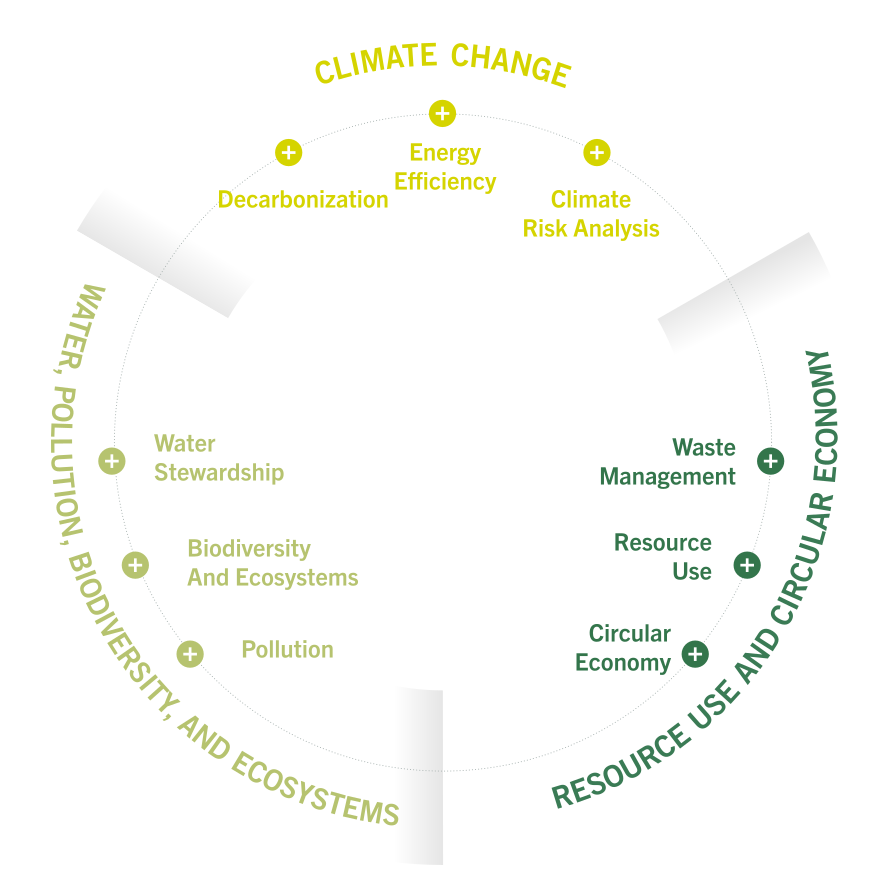
Addressing our environmental impact by actively pursuing a decarbonization plan that includes initiatives aimed at reducing our carbon footprint through energy efficiency and minimizing our effect on climate change.
Water, Pollution, Biodiversity, and Ecosystems
Effectively managing water resources, controlling pollutants, and adopting environmentally conscious practices are essential for minimizing damage to ecosystems and surrounding habitats.
Resource Use and Circular Economy
Optimizing resource efficiency and promoting circular economy principles to reduce waste, conserve raw materials, and ensure the responsible handling of hazardous substances.
Environmental Manual
Environmental Manual
TTI’s Environmental Manual is aligned with ISO 14001:2015 and serves as a comprehensive guide for establishing, implementing, and evaluating environmental objectives and targets. It integrates the Company’s Safety and Responsibility Policy, which encompasses quality assurance and EHS management functions. The manual is periodically reviewed and updated to ensure continued alignment with evolving environmental, health, and safety standards.
Complementing the Environmental Manual, a series of Standard Operating Procedures (SOPs) define the protocols necessary to maintain compliance with applicable legal and regulatory requirements. All associates, including part-time employees, contractors, and suppliers, receive training to uphold the quality, health, safety, and environmental standards established within these documents.
Climate Change
Addressing our environmental impact by actively pursuing a decarbonization plan that includes initiatives aimed at reducing our carbon footprint through energy efficiency and minimizing our effect on climate change.
Water, Pollution, Biodiversity, and Ecosystems
Effectively managing water resources, controlling pollutants, and adopting environmentally conscious practices are essential for minimizing damage to ecosystems and surrounding habitats.
Resource Use and Circular Economy
Optimizing resource efficiency and promoting circular economy principles to reduce waste, conserve raw materials, and ensure the responsible handling of hazardous substances.
Compliance and Transparency
All relevant compliance requirements have been fulfilled across our global operations. A comprehensive list of legal and regulatory obligations that could significantly impact our operations and performance can be found in the HKEX ESG Reporting Guide Content Index.
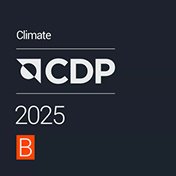 Our commitment to transparency regarding our environmental impacts and strategies for action is demonstrated by annually disclosing through the Carbon Disclosure Project (CDP). As of this report, we achieved a “B” score on our 2025 Climate Change CDP Questionnaire, which places us in the Management band for “Taking coordinated action on climate issues.” This score exceeds regional, sector, and global averages. Moreover, we received a “B-” on our 2025 Water Security questionnaire. As we strive to meet our environmental targets, we will keep implementing ESG best practices wherever possible, as evidenced by our ongoing enhancements in CDP standards. Additionally, CDP has acknowledged us as an Enhanced Disclosure Supporter for 2025.
We strongly encourage stakeholders with concerns about our environmental practices to utilize the reporting methods outlined in the Business Conduct section of this report. Furthermore, our Global Investor Relations team is readily available to address any investor inquiries or concerns.
Compliance and Transparency
Compliance and Transparency
All relevant compliance requirements have been fulfilled across our global operations. A comprehensive list of legal and regulatory obligations that could significantly impact our operations and performance can be found in the HKEX ESG Reporting Guide Content Index.
Our commitment to transparency regarding our environmental impacts and strategies for action is demonstrated by annually disclosing through the Carbon Disclosure Project (CDP). As of this report, we achieved a “B” score on our 2025 Climate Change CDP Questionnaire, which places us in the Management band for “Taking coordinated action on climate issues.” This score exceeds regional, sector, and global averages. Moreover, we received a “B-” on our 2025 Water Security questionnaire. As we strive to meet our environmental targets, we will keep implementing ESG best practices wherever possible, as evidenced by our ongoing enhancements in CDP standards. Additionally, CDP has acknowledged us as an Enhanced Disclosure Supporter for 2025.
We strongly encourage stakeholders with concerns about our environmental practices to utilize the reporting methods outlined in the Business Conduct section of this report. Furthermore, our Global Investor Relations team is readily available to address any investor inquiries or concerns.
Key Environmental Priorities
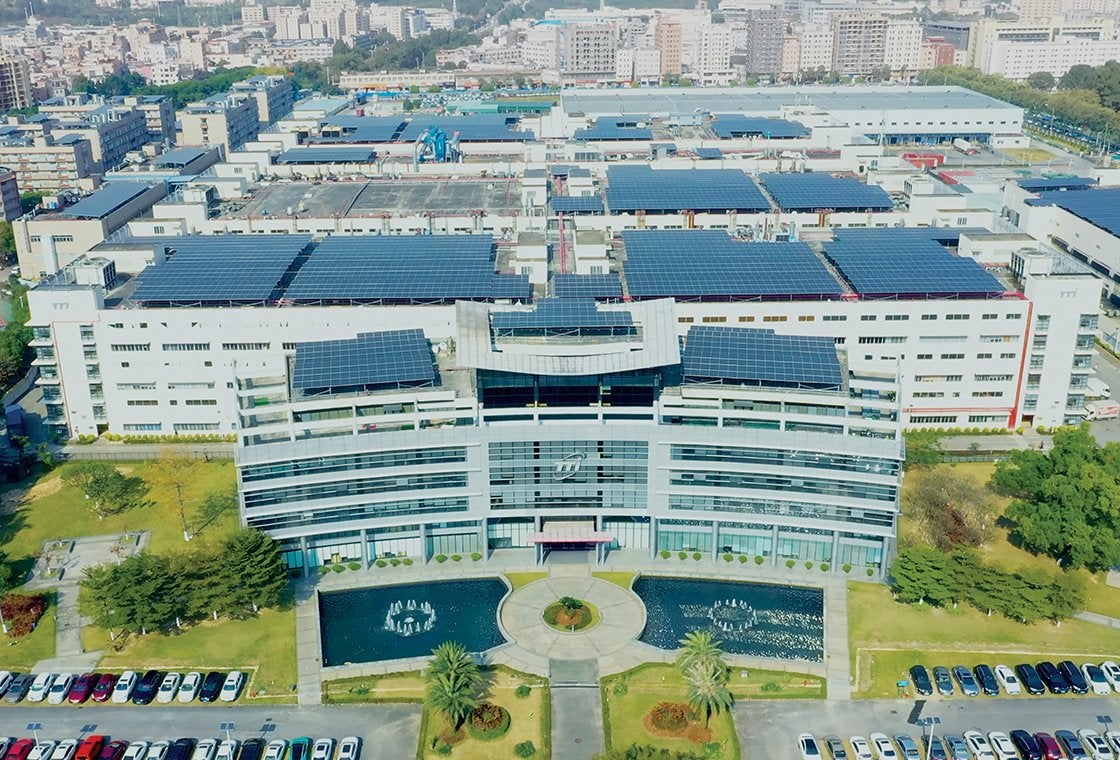
Significant progress has been made in advancing our decarbonization efforts. We have entered into various green energy agreements, reinforcing our commitment to reducing Scope 1 and Scope 2 (Market-Based) emissions by 2030. We have also completed the full mapping of relevant Scope 3 categories.
We continue to make progress toward our waste-diverted-from-landfill target, reinforcing our ongoing commitment to responsible waste management. Circular economy practices have been strengthened across our operations, with continued improvements in waste reduction, material efficiency, and product durability. Through ongoing design enhancements, our products are becoming increasingly recyclable and longer lasting, supporting extended lifecycles, reduced waste generation, and consistent alignment with our sustainability goals.
Key Environmental Priorities
Key Environmental Priorities
Significant progress has been made in advancing our decarbonization efforts. We have entered into various green energy agreements, reinforcing our commitment to reducing Scope 1 and Scope 2 (Market-Based) emissions by 2030. We have also completed the full mapping of relevant Scope 3 categories.
We continue to make progress toward our waste-diverted-from-landfill target, reinforcing our ongoing commitment to responsible waste management. Circular economy practices have been strengthened across our operations, with continued improvements in waste reduction, material efficiency, and product durability. Through ongoing design enhancements, our products are becoming increasingly recyclable and longer lasting, supporting extended lifecycles, reduced waste generation, and consistent alignment with our sustainability goals.
STANDARD OPERATING PROCEDURES
- Chemical Management – outlines requirements to ensure the effective transport, storage, and use to prevent the accidental release of chemicals, fire or explosions
- Waste Collection & Disposal – identifies the process for recycling materials, and disposing unrecyclable and hazardous waste (including medical waste)
- Water Pollution Management – outlines the management of wastewater discharge, treatment, and recycling to meet discharge standards
- EHS Program, Work-Related Injuries – comprises documented EHS objectives, targets, and programs to achieve our commitment to pollution prevention and continual improvement
- Emergency Preparedness & Response – ensures proper coordination and control in emergency situations to minimize loss and impact, and prevent or reduce adverse environmental impacts that may occur
Decarbonization
Waste
Water
Climate Change


Resource Use and Circular Economy

Water, Pollution, Biodiversity, and Ecosystems


